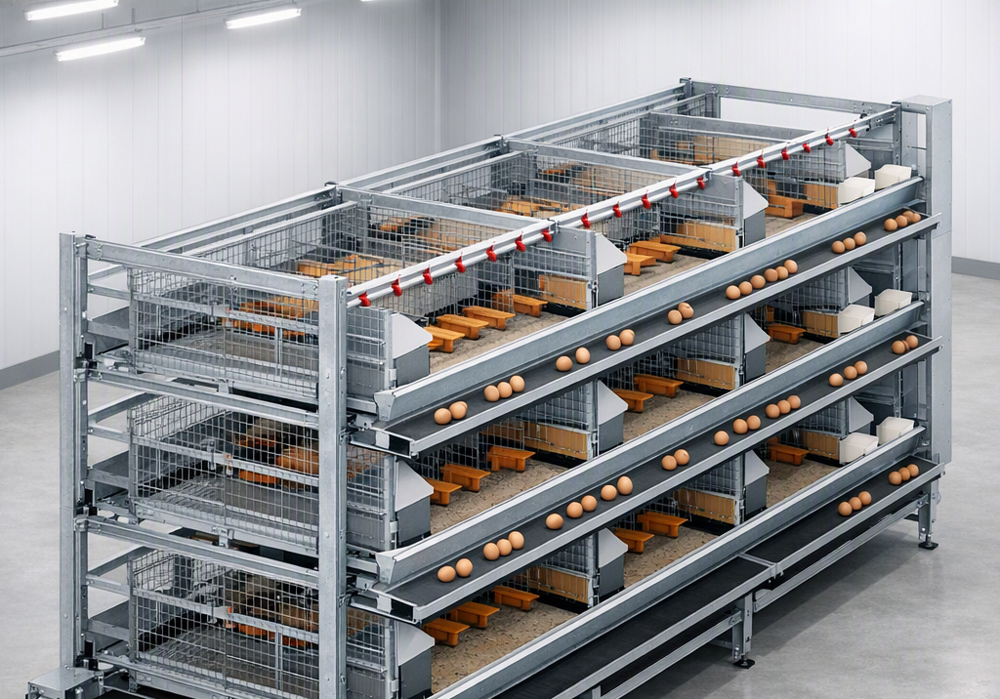
Cage Systems
Lorem ipsum dolor sit amet, consectetur adipisicing elit. Autem blanditiis commodi consequatur cum, debitis, eligendi mollitia natus numquam obcaecati officiis perferendis perspiciatis possimus quam quas ratione recusandae similique ullam vero!
Egg Grading & Packing
Lorem ipsum dolor sit amet, consectetur adipisicing elit. Autem blanditiis commodi consequatur cum, debitis, eligendi mollitia natus numquam obcaecati officiis perferendis perspiciatis possimus quam quas ratione recusandae similique ullam vero!
Ventilation Equipment
Lorem ipsum dolor sit amet, consectetur adipisicing elit. Autem blanditiis commodi consequatur cum, debitis, eligendi mollitia natus numquam obcaecati officiis perferendis perspiciatis possimus quam quas ratione recusandae similique ullam vero!
Incubation
Lorem ipsum dolor sit amet, consectetur adipisicing elit. Autem blanditiis commodi consequatur cum, debitis, eligendi mollitia natus numquam obcaecati officiis perferendis perspiciatis possimus quam quas ratione recusandae similique ullam vero!
Automation System
Lorem ipsum dolor sit amet, consectetur adipisicing elit. Autem blanditiis commodi consequatur cum, debitis, eligendi mollitia natus numquam obcaecati officiis perferendis perspiciatis possimus quam quas ratione recusandae similique ullam vero!